Your cart is currently empty.
Discover our products.
2 November 2021
Before breaking records and lifting international trophies, Cristiano Ronaldo began in the youth ranks of CF Andorinha in Madeira. It was there that the simple joy of playing turned into dedication and effort, until his name was written in gold in the history of world soccer.
Like Ronaldo, every year thousands of children join clubs and youth soccer schools across the country, dreaming of becoming the next number seven of the Portuguese National Team. But for that dream to start in the best way, there are some essential points that parents and guardians need to keep in mind.
In this article, we’ll explore the fundamental pillars of youth soccer training in Portugal: from essential equipment, to choosing the right school or club, to the importance of a balanced diet and the crucial role of letting children enjoy the game without pressure. Everything you need to know to support young players as they begin their soccer journey is gathered here.
The first step is to ensure that the child has the right equipment. Without comfort and safety, the joy of playing can quickly turn into frustration or even injury.
• Training shirt: should be made of breathable, comfortable material to keep the child dry. Personalization can boost motivation and identity.
• Shorts or pants: elastic and practical, allowing freedom of movement and quick shoe changes.
• Shin guards: choose based on the area of protection (shin or shin + ankle) and the type of support.
• Cleats: beyond design, which reflects each young player’s identity, it’s crucial to match the sole to the playing surface (natural grass, synthetic turf, or dirt).
With the kit ready, the next step is to find the right place to train and grow.
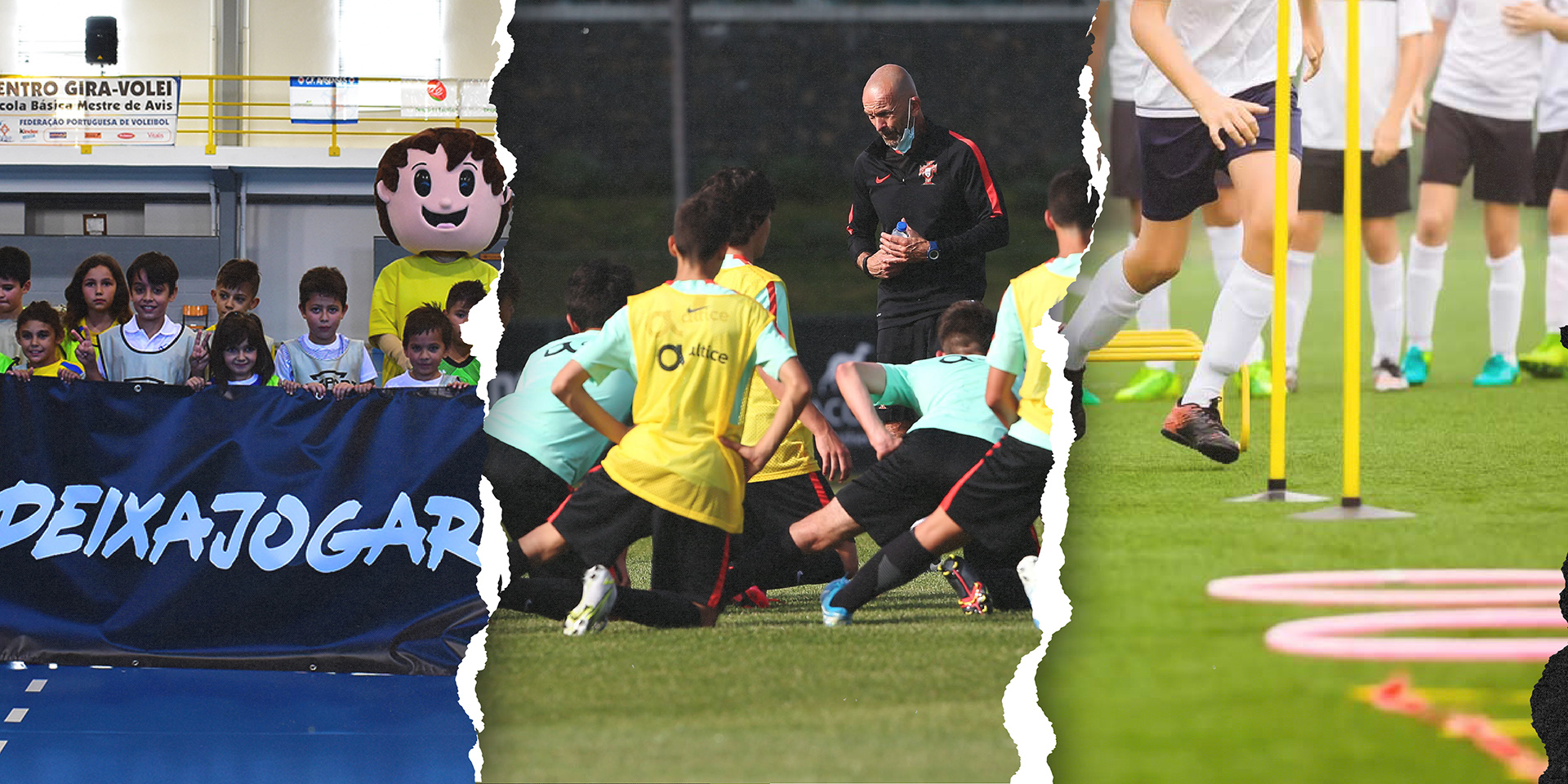
After medical exams and buying the equipment, it’s time to enroll the child in a youth soccer school or a club with an age-appropriate team.
To make this choice easier, the Portuguese Soccer Federation (FPF) certifies both professional and non-professional clubs as training entities. This ensures that young players find a safe environment to grow not only as athletes but also as citizens.
It’s also important to consider geographic proximity and the philosophy of the club or school. Some emphasize technical development, while others focus on teamwork and social values. Evaluating these aspects helps parents choose the environment that best suits the child’s profile.
But physical and technical training alone is not enough: nutrition also plays a key role.
Youth soccer is a powerful tool against childhood obesity, but training will only have an impact if paired with a balanced diet.
Spread throughout the day, meals should include:
• Breakfast: milk with bread or cereal.
• Mid-morning snack: fruit, bread, or simple crackers.
• Lunch and dinner: vegetable soup, whole-grain bread, small portions of meat or fish, eggs (up to 3 per week).
• Afternoon snack: milk or dairy products with bread.
• Evening snack: milk before bed.
Avoid excess salt and sugar, prioritize water and natural juices, and choose fruit for dessert.
A good diet not only improves physical performance but also contributes to focus and discipline in training and school.
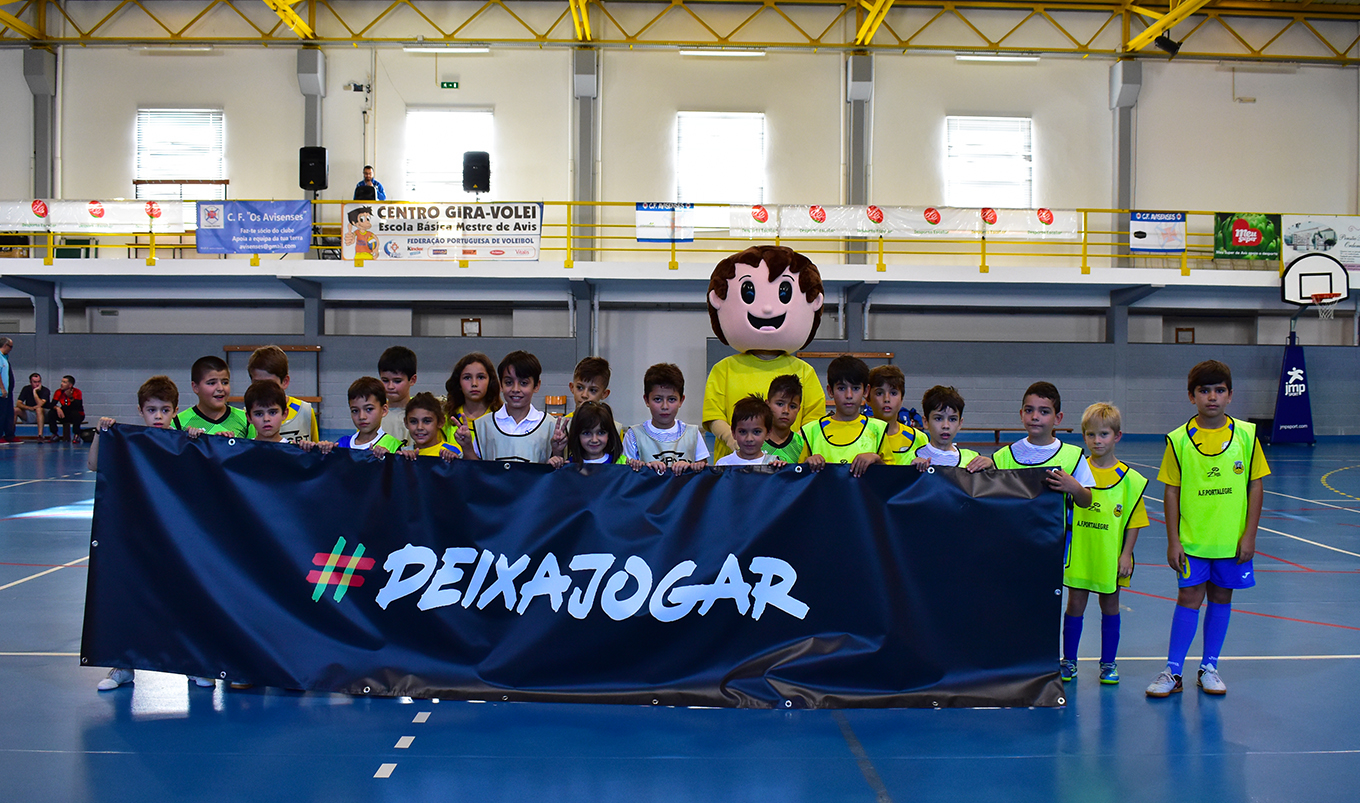
More important than winning or losing is the joy of playing. In youth soccer training, the game should be seen as a space for learning and citizenship.
Competition is secondary: the essential thing is that the child learns through play, without external pressures. Loving the game is the first step toward becoming truly good at it.
Parents and coaches must remember that youth soccer is also an opportunity to develop social skills: teamwork, respect for opponents, and the ability to handle victories and defeats. These values stay with young players far beyond the field.
Youth soccer training in Portugal is the starting point for thousands of children who dream of following in Cristiano Ronaldo’s footsteps. With the right equipment, a certified school, a balanced diet, and above all, freedom to enjoy the game, every child can live soccer with passion and grow both as an athlete and as a citizen.